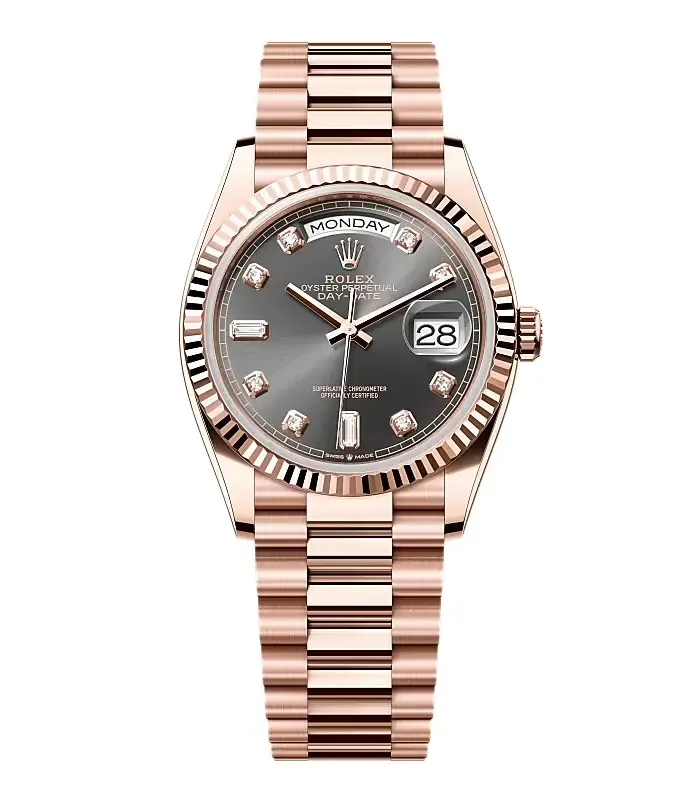
Rolex adjusted official retail prices twice in 2026. The January revision averaged around 7 percent across the catalogue. In June a further increase of roughly 5 percent landed on gold and two-tone models specifically. Rolex was not alone: Swiss retail increases across the industry in 2026 have run close to 9 percent on average, with Rolex, Tudor and Audemars Piguet at the front of that.
The mechanism
A retail increase does not stay at the authorised dealer, because most in demand references are not actually available there. When the list price of a reference with a waiting list moves up, the open market price moves with it, and it usually moves first. The list price sets the floor of the conversation.
The June increase is the more interesting one, because it was targeted. Loading the rise onto gold and two-tone rather than steel says something about where the house sees demand, and it landed on precisely the material mix that has been strongest this year.
What it looked like from Deira
Two things happened at once on the secondary market. Precious metal references repriced quickly, within weeks. Steel professional models, which were not directly affected, drifted up more slowly on sentiment alone.
A retail increase is the clearest signal a house gives about its own read of demand, and it is public.
What it means if you are buying
Nothing here argues for hurrying. It argues for knowing which side of that June increase the reference you want sits on, because a gold Day-Date and a steel Submariner have had completely different years. Ask us where a specific reference has actually been trading. That is a more useful number than any index.
Sources
Retail increase figures reported in market coverage of the UAE pre-owned trade and reporting on the 2026 Swiss price increase trend. Prices on this site are our own and change with the market.